The Song that Unites Across the Ocean: Ruslana Lotsman — The Ukrainian Soul in California
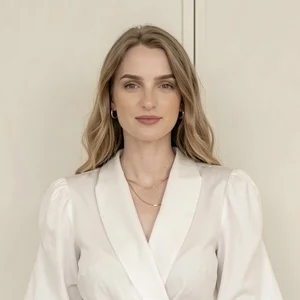
Honored Artist of Ukraine performed charity concerts in San Francisco and Sacramento, met with the Ukrainian community, and explained why song, language, and culture help maintain a connection with the Homeland.
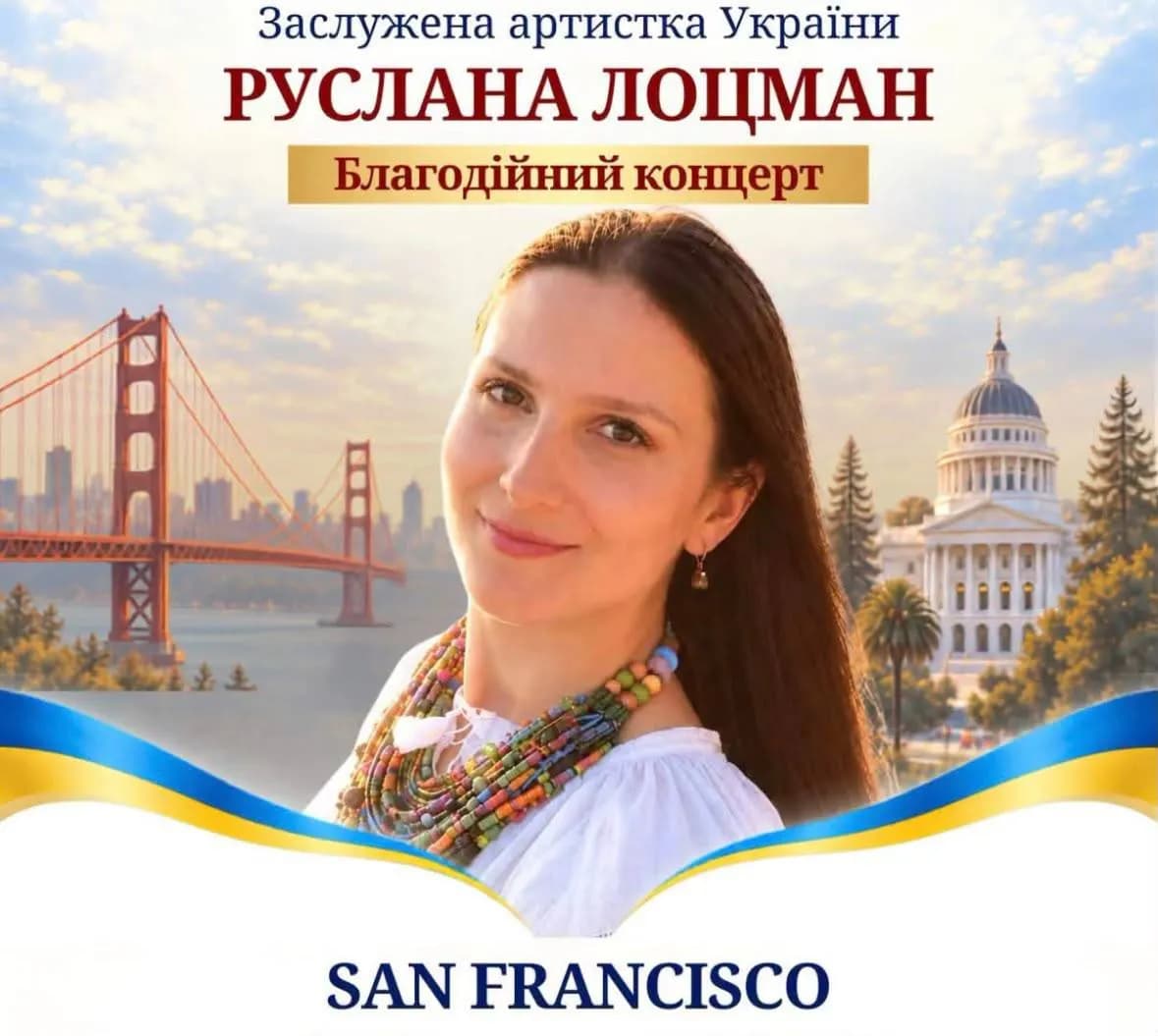
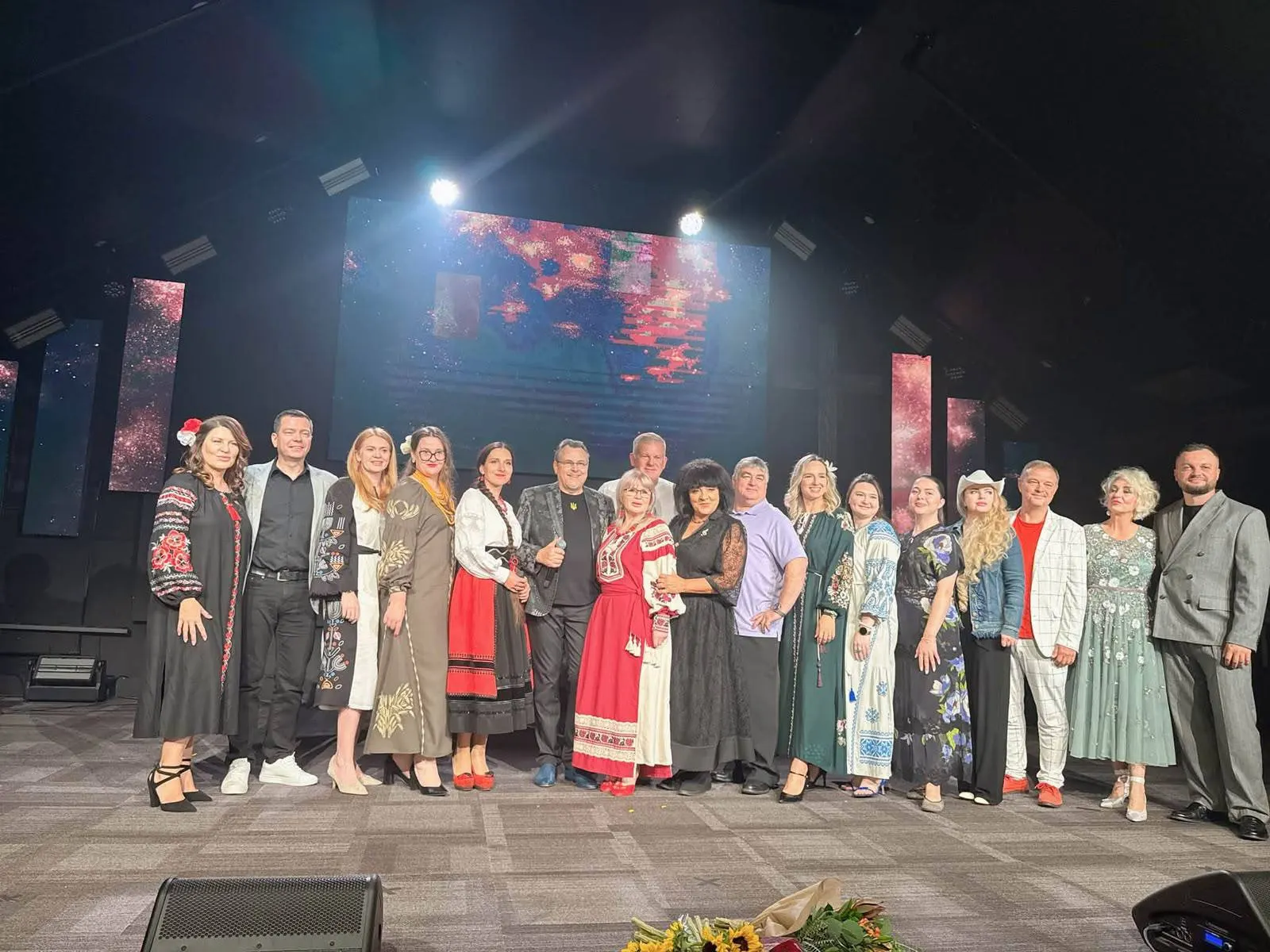
Ruslana Lotsman was supposed to take the stage in California four years ago: she was invited as the grand prize winner of the United by Song festival. However, the full-scale invasion of Russia into Ukraine changed plans, and the trip had to be postponed. This fall, the long-awaited meeting finally took place: on October 2, the artist performed in San Francisco, and on October 3 — in Sacramento. Both concerts were charitable — in support of the Armed Forces of Ukraine.
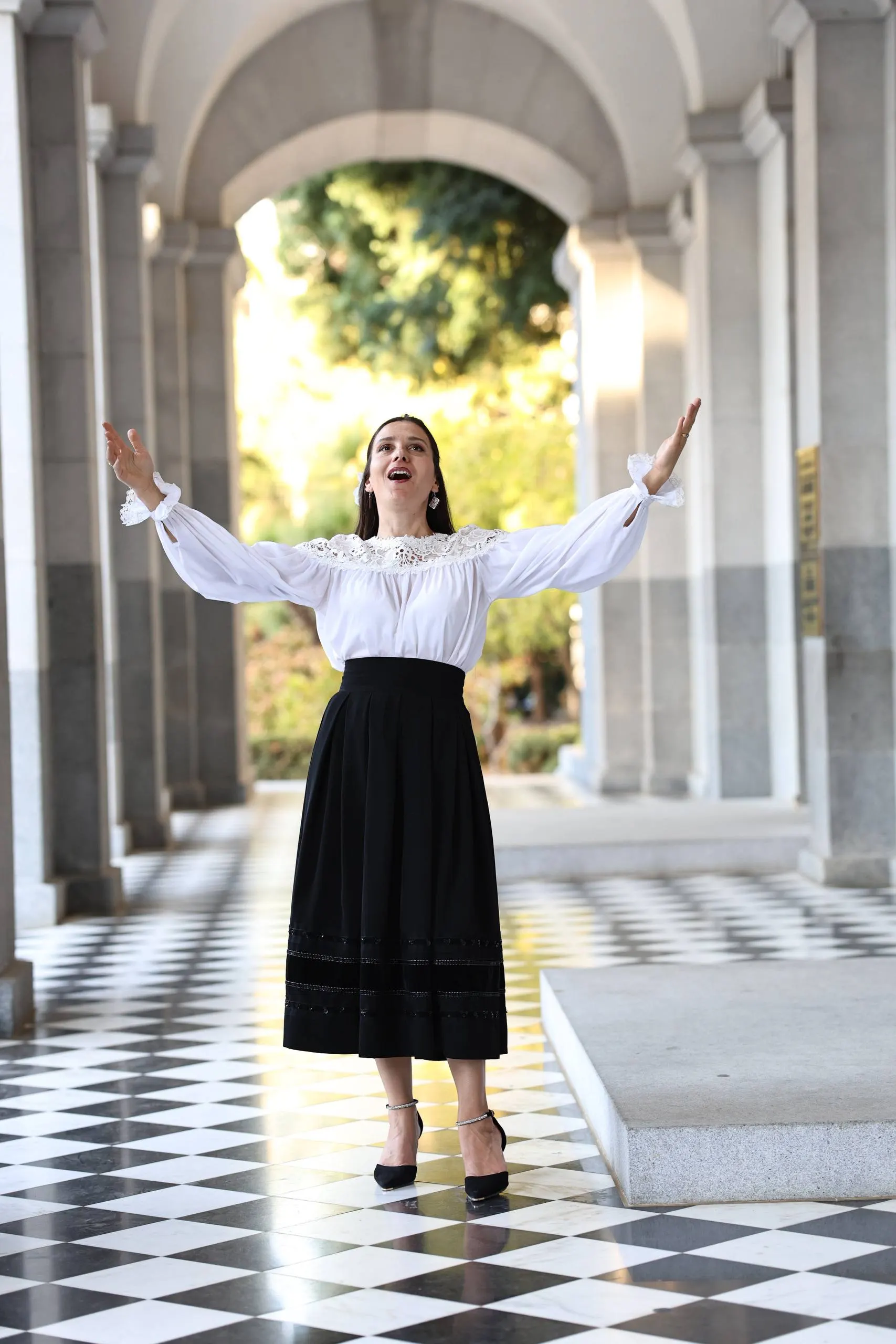
As part of the "Sing in Your Native Language" radio festival, the artist also visited radio broadcasts in Sacramento — the capital of California. This trip was not only a series of performances for her but also an opportunity to meet Ukrainians, hear their stories, and talk about how to preserve culture far from home.
After the concerts, our newspaper's editor and author of publications — Ivanna Andreyiv, spoke with Ruslana Lotsman. The conversation touched on volunteering, the Ukrainian language and song, the diaspora experience, and the responsibility for preserving national culture.
Song as Aid to the Military
— Ruslana, you have been visiting our soldiers and singing for them for many years. How does your volunteer mission continue today?
— I have been working as an art volunteer for 12 years. I sang a lot on the front line. Now, with three children, I can no longer travel there as I used to. So we help in other ways: we collect funds and provide the military with what they ask for.
Ruslana shares that her family has repeatedly contributed to helping the defenders: they have purchased thermal imagers, drones, and vehicles, and have sent generators and other necessary items. The funds raised during the concerts in California will also be directed by the artist to the needs of the Armed Forces of Ukraine. Specifically, they plan to purchase EcoFlow stations, which the military has requested. Ruslana's mother will personally deliver them to the front line.
— Helping the warriors is our long-standing family tradition, — says the artist.
For her, volunteering is a family endeavor that continues even as circumstances and opportunities change.
The Ukrainian Community Far from Home
Every journey, Ruslana says, opens not only new places but also people for her. On the way from San Francisco to Sacramento, she met Andriy Shegera. For two hours, they talked about the immigrant's path to success and the distance from home, the pain of which remains in the heart.
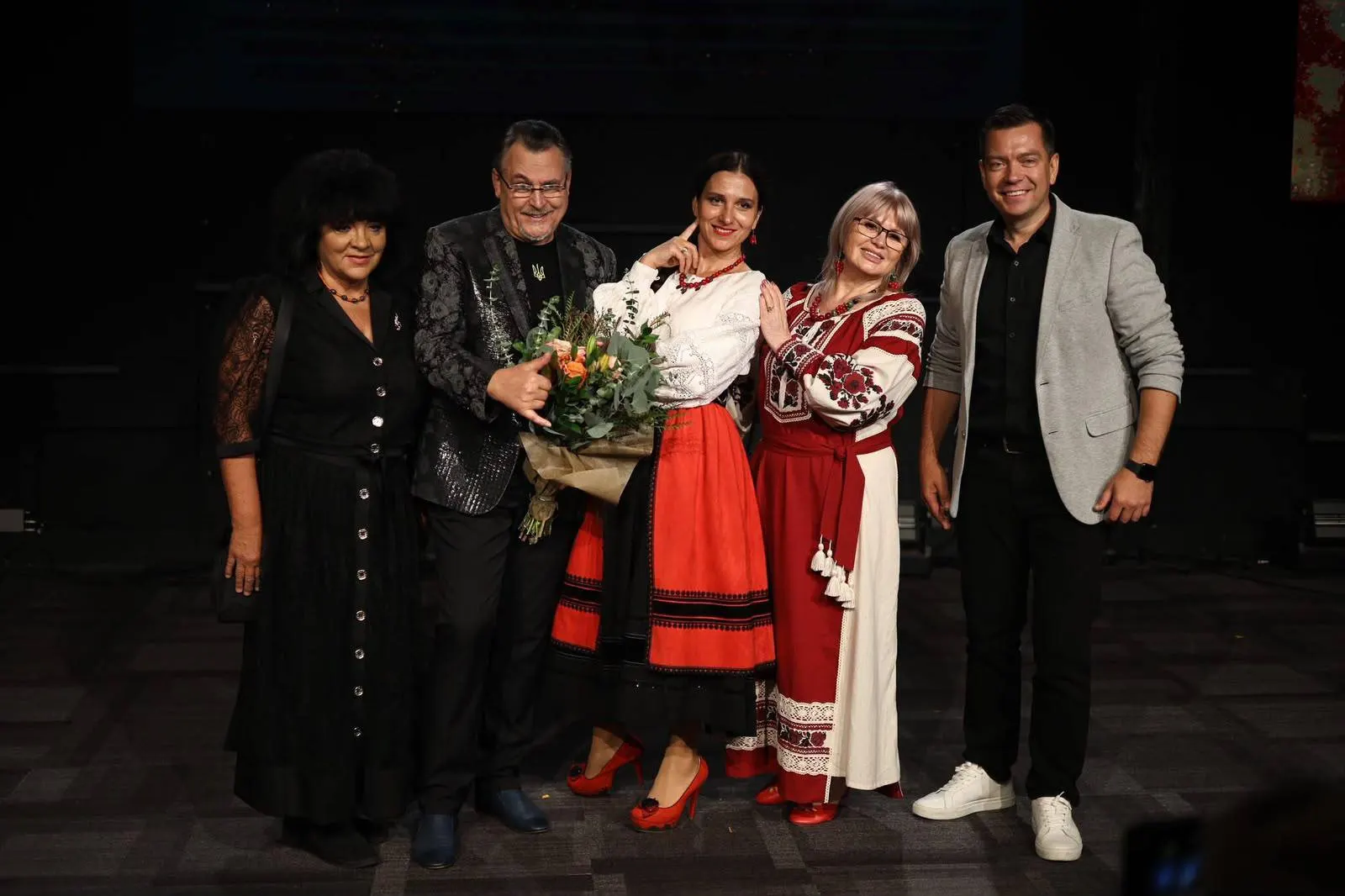
Andriy is an artistic person, but life in emigration forced him to focus on earning a living and retrain. He also told Ruslana about attempts to create a Ukrainian school in San Francisco. This story raised a broader question: how can Ukrainians unite and support their language and culture abroad?
Ruslana would like to see a Ukrainian school, church, and cultural center in every American city with a Ukrainian community. Such centers could become places where children are taught, prayers are held together, exhibitions and cultural events are organized, and efforts are united to help Ukraine.
At the same time, the artist notes that Ukrainian concerts and cultural events could attract more people. The reasons may vary: busyness, insufficient advertising, or lack of information. Yet Ruslana is convinced: the large Ukrainian community in California is capable of holding large-scale festivals and filling stadiums. At such events, live art should be heard — particularly songs without backing tracks, as they were sung by the people.
— Ruslana, what does it mean for you to sing a Ukrainian song for people who live far from Ukraine?
— The Ukrainian family is scattered all over the world, so we must unite it under the banner of Ukrainian song and culture, — Ruslana replies.
Conversations with Ukrainians in different countries have allowed the artist to see how differently the fates of emigrants unfold. Some left for a year or two to earn money and return, but stayed abroad for decades or even for life.
She recalls the Ukrainian community in Canada, where the fourth generation of people is already being born, who have never seen Ukraine but maintain Ukrainian identity and speak their native language at home. She also mentions Brazil: the first Ukrainians arrived there about 130 years ago, sowed wheat, grew bread, sang their songs, and spoke Ukrainian. At the same time, preserving culture in the diaspora requires constant effort, as assimilation gradually changes communities.
— What do you think should concern Ukrainians in the diaspora?
— When we hear the Russian language among Ukrainians, it should concern us, even if they live outside Ukraine, — the artist emphasizes.
For Ruslana, the Ukrainian language and song are not attributes of separate holidays but part of everyday cultural life. It is important not only to honor historical dates but also to know one's history, sing riflemen's songs, remember the heroes of the UPA, and appreciate the struggle for freedom. This is a heritage that should not be ashamed of, but a memory of the price of freedom.
Ukrainian Wedding in California
Another special event of the Californian trip was an invitation from Amalia Biletska. She invited Ruslana to share an important day for their family — the wedding of her daughter Elvina and David, Ukrainians who grew up in the United States.
— The depth of the family's blessing for the young couple is sung in wedding songs, — Ruslana shared.
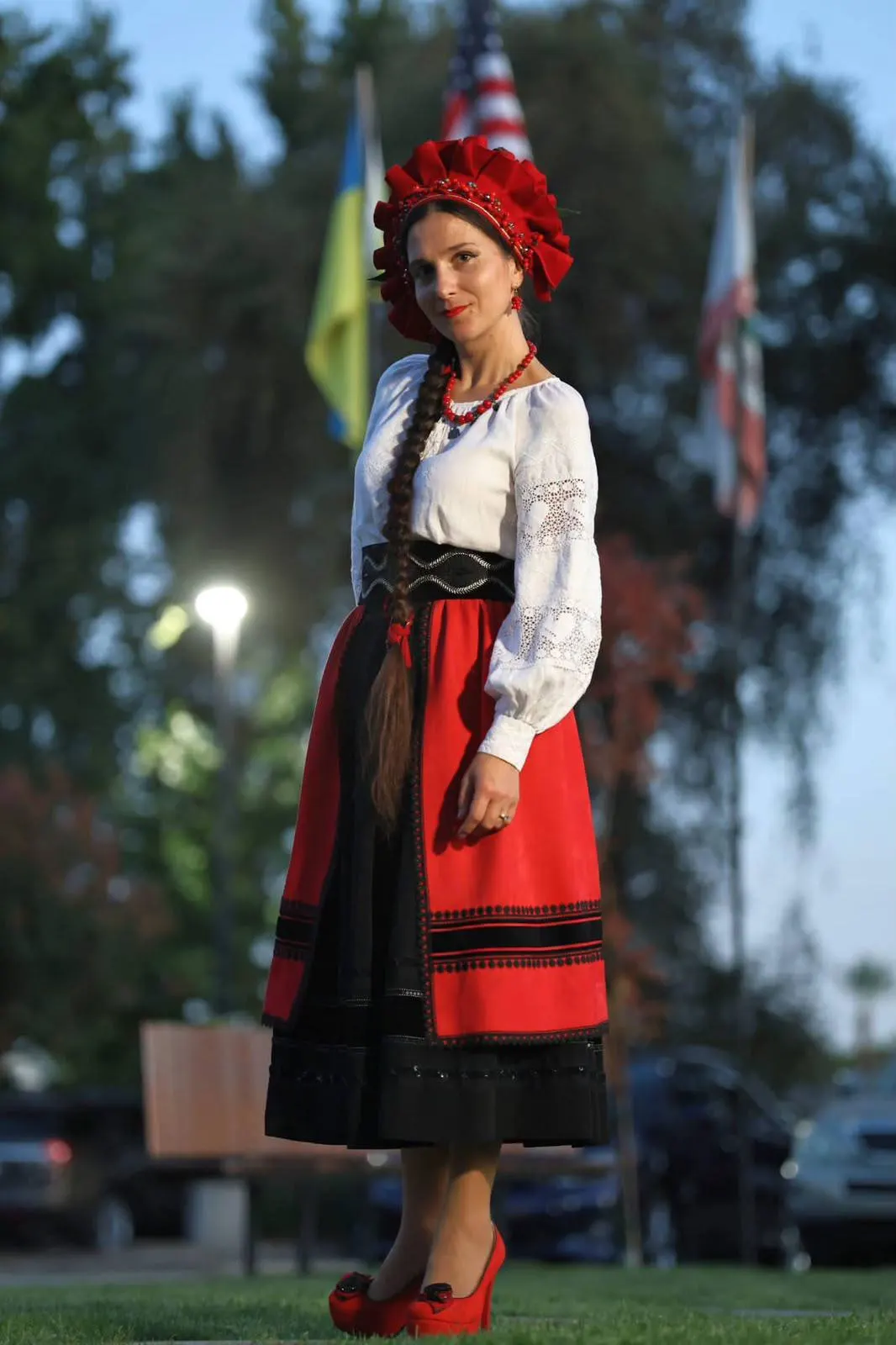
The wedding took place in an American format, but Ukrainian songs added a special color to it. Ruslana sang blessing songs and ritual wedding songs for the young couple — those that preserve the memory of traditions, the farewell of a girl from maidenhood, and wishes for a happy fate for the new family.
Among the guests were people of different nationalities. The Ukrainian singing made a strong impression on them: some approached the artist and spoke about the depth and uniqueness of the Ukrainian soul.
Song and Volunteering
Ruslana's volunteer path is reflected in the book "We Will Win with a Song! The Diary of an Art Volunteer" — a collection of poems, reflections, and songs written between 2014–2022. Its pages contain impressions from volunteer trips to Eastern Ukraine, stories about the struggle of the Ukrainian people, and the songs with which the artist performed on the front line.
Ruslana Lotsman's Californian journey combined charity concerts, meetings with Ukrainians, and a family celebration. In each of these events, a common thought was heard: the Ukrainian song overcomes distances — from California to Ukraine, from one generation to the next.
As a farewell, Ruslana gave me her book "Secrets of Ukrainian Singing" with a personal inscription: "To sing means to breathe and live a full life." In these words lies her love for the Ukrainian song, respect for folk memory, and care for the people for whom she sings and volunteers. Her sincerity and versatility were felt by all of us during the meeting — in the warmth she shared and in her special ability to touch hearts.
Explore the book "Secrets of Ukrainian Singing" at the link:
Ruslana Lotsman's charity concerts, her volunteer work, and Ukrainian song are different facets of one mission: to bring the soul of Ukraine to people. It lives in our hearts and unites us, no matter where we are.
Photo: Vadym Kvasnevskyi