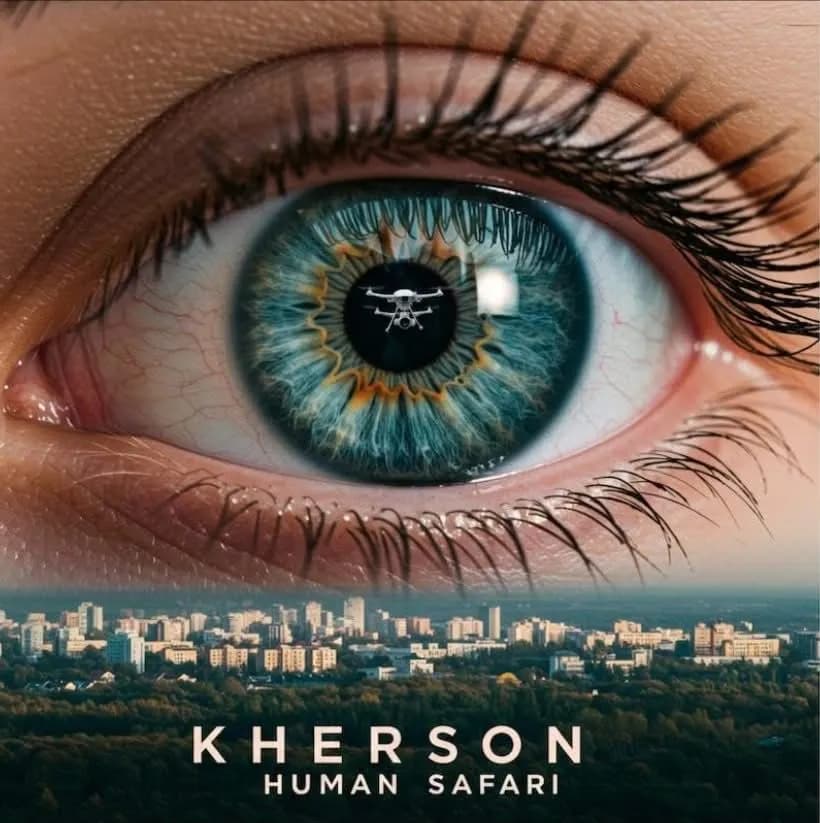
Trial by Fire and Water. Reflections after Watching the Documentary "Kherson: Human Safari" by Director Zarina Zabrisky
I met Zarina five years ago at an event she organized after the full-scale war of the Russian Federation against Ukraine began. A successful journalist and writer who grew up in San Francisco, she immediately got involved in helping the distant overseas country where her parents are from. The war did not cease, and Zarina made a decision: she moved from San Francisco to Ukraine. Not even to the relatively safe west of the country – no! She settled in the very heart of the conflict – the frontline city of Kherson. She settled to experience alongside its residents all the dramatic and tragic twists of the endless resistance to Absolute Evil. And to participate in this resistance with all her talents as a journalist, documentarian, and writer.
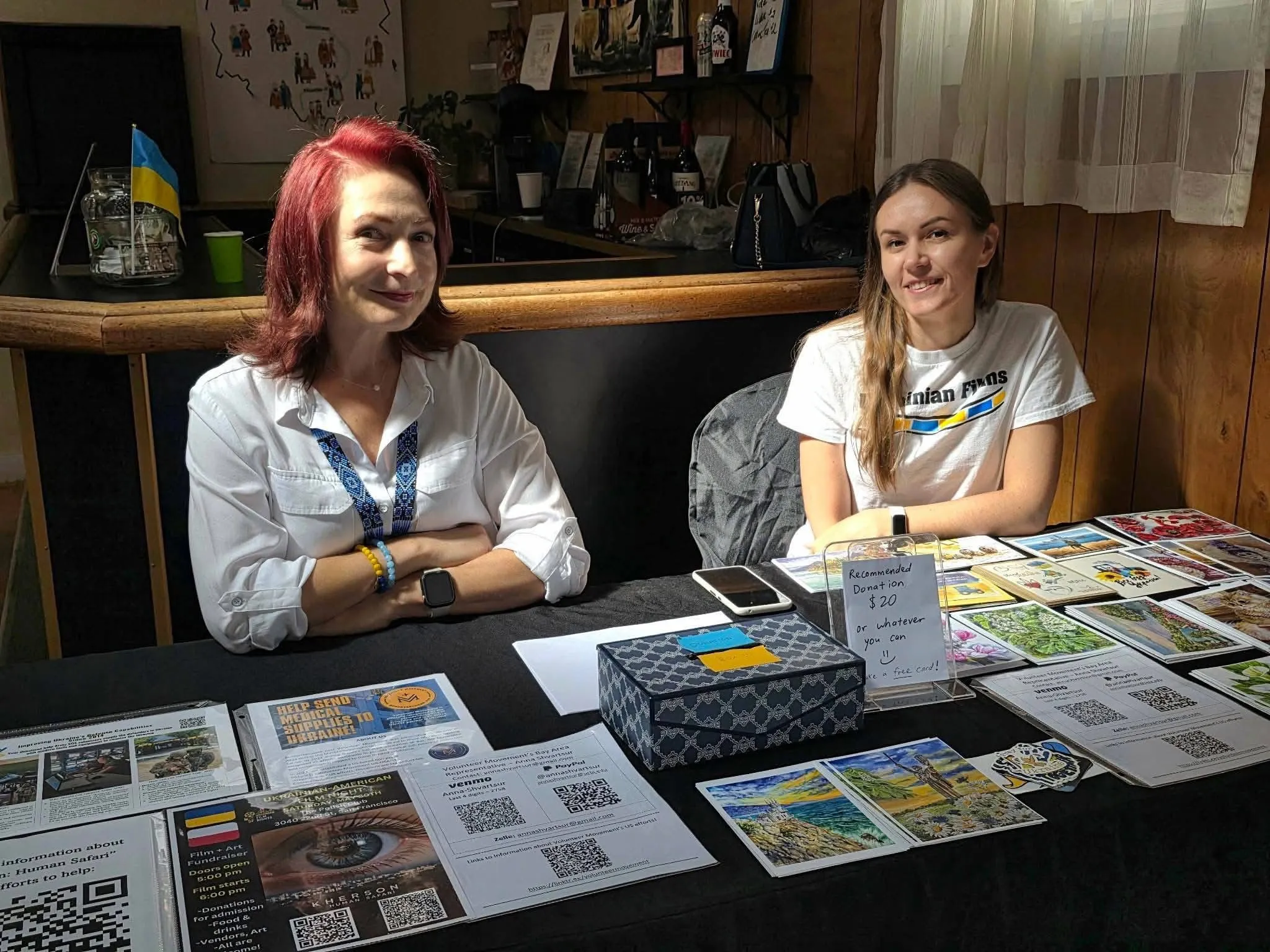
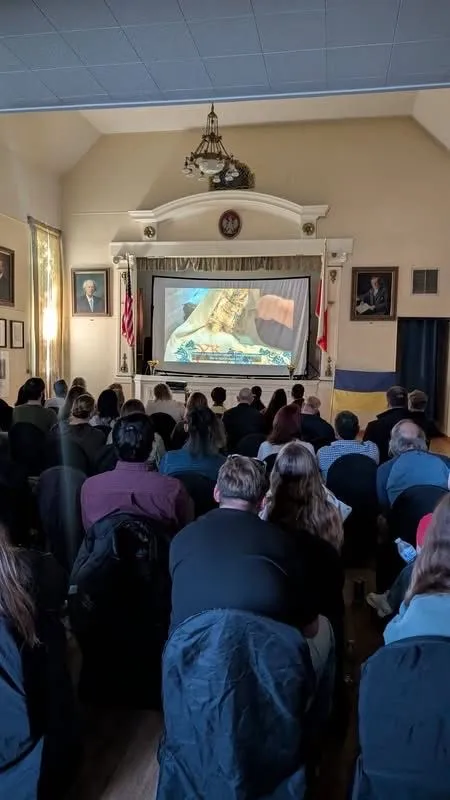
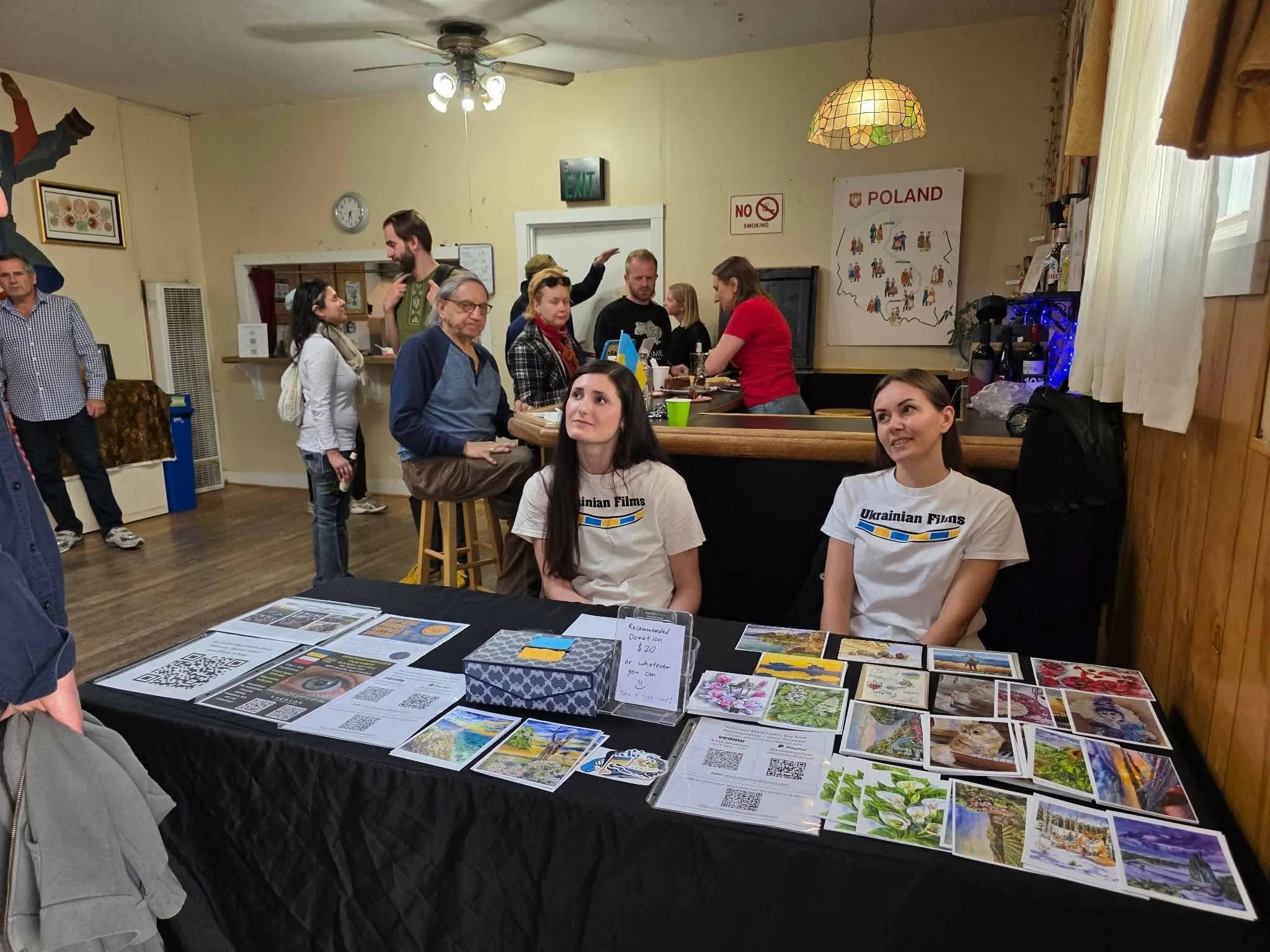
Residents of the San Francisco Bay Area, Anna and Inna, have been holding Ukrainian Film Nights since 2022, showcasing Ukrainian films in San Francisco. This was facilitated by the Polish Club of San Francisco, which provided its premises for free. ...And here I am, having lived in the USA for 30 years, finding myself face to face with the residents of Kherson. Together with them, I "meet" the occupiers who advance in tank columns against unarmed people, with slogans: "Go home while you're alive!", "Kherson is Ukraine!" The occupiers dispersed the residents' rally. Then they tracked down almost all the organizers and activists through social media. They threw them into the "basement" – a torture chamber where they were tortured and "re-educated." Residents recount life under occupation. "They walked the streets and just shot randomly around – whoever they hit; woman, man, child – they didn't distinguish." Outside the city – a vast field, but no crops grow there. A mass grave of those killed during the occupation. "It smelled of burnt meat, the stench of corpses so much that it was impossible to open the windows," residents recount. The liberation of the city by the Armed Forces of Ukraine in the fall of 2022 was the greatest celebration. Residents lined up on the main streets, welcoming the liberators. Songs, the Ukrainian anthem resound; locals embrace the soldiers... "This celebration of freedom lasted a week," a local resident recounts. "And then hell came."
Russian occupiers entrenched themselves in close proximity to the city, on the opposite bank of the Dnipro. "We are like in a shooting range: continuous shelling, guided aerial bombs, drones," residents say. "Human safari" – that's what they call the "hunting" of ordinary city dwellers: combat drones hover over pedestrians on the streets – and drop their deadly cargo on them; they bomb houses, destroy infrastructure. The culmination of the tragedy – June 2023. The occupiers blew up the Kakhovka HPP dam, and water from the reservoir, which supplied the city and surrounding fields with life-giving water, flooded the city. In my opinion, the press wrote very little about this Russian crime. In Kherson, hundreds, if not thousands, of people were instantly underwater. The number of dead is impossible to calculate, especially since the Russians did not allow either evacuation or burial of the dead.
"They demanded that we bury our dead relatives in mass graves," witnesses recount. Without names, without individual coffins. There were no coffins – they buried in bags. And many could not be found under the flooded and destroyed buildings. The water receded, but the "human safari" continues to this day, claiming the lives of Kherson residents daily. Yet despite all the hardships, life goes on. "We are not going anywhere from here," says an elderly woman, chopping greens. She is a cook in a small restaurant. Small shops, a market, a theater. Life has largely moved underground. The theater is also underground. You almost don't hear Russian anymore – Ukrainian is spoken. The symbol of Kherson's resilience is a young dancer. She puts all her strength into the dance because emotions are raging. Hatred for the occupiers – and the immortality of life.
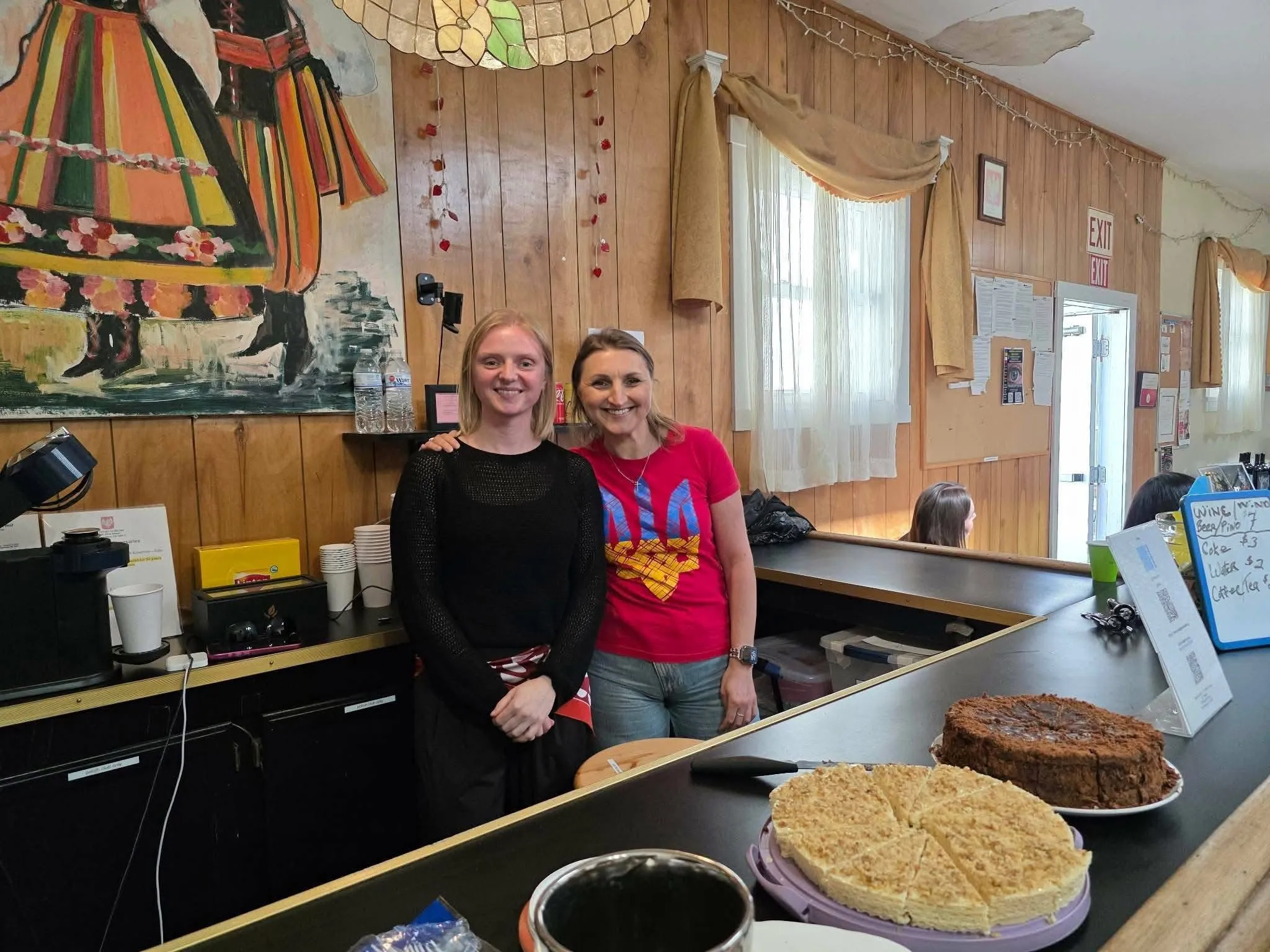
After the film ended, Zarina Zabrisky addressed the audience in a short video – from Odesa. According to the event plan, she was supposed to appear via video link and communicate with the audience, but she was invited to an important conference in Odesa that day. The streets of Odesa are less destroyed compared to Kherson, but the Russians have left their mark there too. Now drone and missile raids on this strategically extremely important city occur almost weekly, sometimes even more frequently. The war to destroy Ukraine continues, but Ukraine is no longer what it was a few years ago. It has learned to fight for its existence, inflicting ever greater losses on the enemy. However, the burden of this war is borne by the residents of peaceful Ukrainian cities, especially those on the front line. Such as Kherson. Through the heroic deeds of Zarina Zabrisky and the team of filmmakers, the world sees the trials peaceful, civilian Ukrainians endure – every day, every hour, year after year. All funds collected as donations during the film screening will go to help Ukraine. Specifically, to two funds: "Army SOS," which supplies field medical items to Ukrainian defenders, and the "Volunteer Movement."